

From Poké Balls to military drones: war is child's play
Your favorite game is training a war machine – without you even knowing it. While you try to catch 'em all, they are capturing your data.

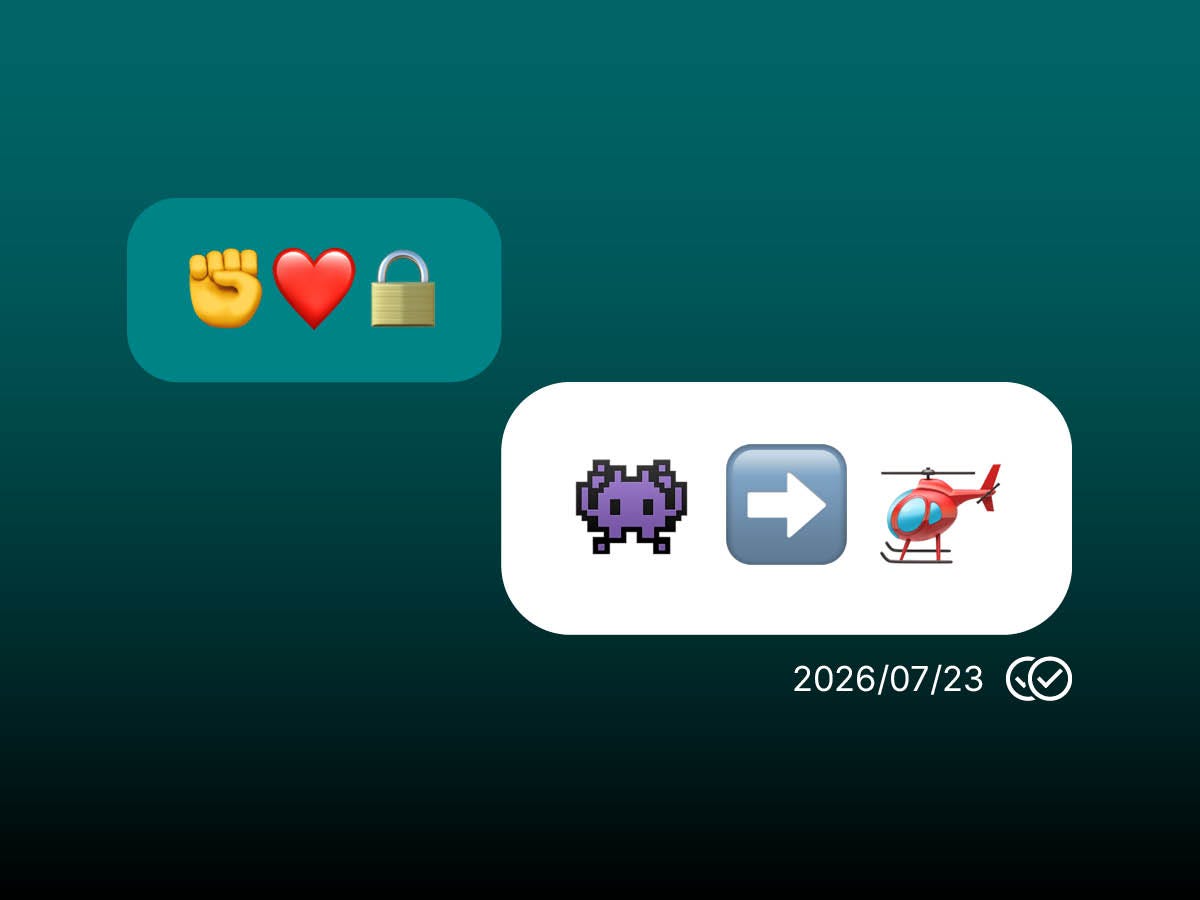
The illusion of innocent play
While you were chasing Pokémon in city parks, thinking only of your next catch, your movements were already drawing up tactical maps for autonomous systems. The Ars Technica article reveals how the data generated by millions of Pokémon Go players was used to train algorithms for military drones. This isn’t science fiction: it’s the brutal reality of denied data sovereignty. Your innocence was the driving force behind the development of weapons.
It’s just a game.
We tell ourselves. We tend to think of downloading an app as a trivial act. But every step tracked, every intersection visited, every building explored while searching for a Dratini wasn’t just game data. It was high-precision geospatial data, collected in real time, on a global scale.
Sources indicate that this information was used to improve drones’ ability to navigate complex urban environments, distinguish between static and dynamic obstacles, and optimize flight paths. The contrast is chilling: We voluntarily provided the data needed to make autonomous machines more lethal, believing we were simply having fun. The company that managed this data viewed it as a mineral resource. And we, without realizing it, were the miners who handed it over to them.
Trust betrayed by the brand
For young people, Pokémon Go is pure fun, not military training camp. But there’s a catch: players trust the Nintendo brand, which is perceived as safe and “family-friendly.” While Nintendo collects royalties as a shareholder, it’s Niantic that actually collects the data.
The contrast is stark: the brand’s cheerful image hides the exploitation of data to train military drones. This isn’t passive surveillance, but the active use of information for military purposes. Young people’s trust is being betrayed: their playful innocence becomes a strategic resource that transform entertainment into instruments of war.
The fault lies not with young people, but with a system that uses Nintendo’s wholesome image as a shield for shady practices managed by Niantic. It’s proof that data sovereignty is being violated right under the watch of those who are supposed to guarantee security.
Denied sovereignty: three ideal rights violated
Here we get to the heart of the matter. If we’re truly talking about data sovereignty, we need to be clear about what it means to own one’s own data. In the case of Pokémon Go, three fundamental rights have been systematically ignored:
The right to explicit information. Users were never informed that their movements could end up in a military database. Privacy policies are written in obscure language, designed to obscure, not to clarify. No one told you, “Your footsteps chart the perfect course for an armed drone to reach its target.” This opacity isn’t a technical error; it’s a strategic choice.
The right to specific consent. Even if we had read the terms, consent was obtained to “improve the user experience” or “develop new services.” Never to “train autonomous defense systems.” Consent must be specific, informed, and revocable. A generic “I Agree” cannot cover uses so radically different from the game’s original social contract.
The right to ethical use. Imagine if, instead of asking, “Would you like us to use your data for drones?”, they had proposed: “Would you like your data to be used to create a navigation system for the visually impaired?” Or perhaps to map architectural barriers in cities, helping people with mobility impairments navigate more easily.
I bet that, if the request had been made transparently, the overwhelming majority of users would have gladly agreed. We would have shared our data knowing that it was being used to heal, to include, and to build – not to destroy. The difference lies not in the technology, but in the intention. And intention is what data sovereignty should protect.
Let’s take back control
Owning your own data means deciding:
Who uses it and for what exact purpose
Under what ethical safeguards
Being able to revoke permission whenever you want
If we had had this power, that data could have saved lives, not threatened them. It could have built bridges, not targeted people.
It’s not enough to complain. We must demand clear policies, granular consent, total transparency, and immediate revocation mechanisms. The future must not be written by those who exploit data without asking, but by those who respect our sovereignty. Every time you download an app, remember: you’re not just playing a game. You’re signing a contract. Make sure you know what it says.
Toward a new digital contract
Can we imagine a different world? One where companies ask,
What do you want us to do with your data?
before collecting it? Where users can choose whether their data goes toward medical research, education, or urban improvement, rather than surveillance or war?
The technology exists. What’s missing is the political and commercial will. But the pressure is coming from the bottom up – from informed users who refuse to be passive resources, and from young people who understand that their data has value, dignity, and a destiny that is theirs to decide.
We’re not just users. We’re owners. And our data must belong to us.
The concept of Data Sovereignty in the Meishi Manifesto is missing here. If access to our data is restricted for commercial, regulatory, power, or security reasons, are we owners or just renters of our own lives? Data Sovereignty isn’t a gift – it’s a right we build ourselves. While you wait for the next post, I ask you:
Who do you want to control your data?
5–7 Big Tech companies
200+ governments
You
Choose wisely!
✊❤️🔒
Own Your Data
Marco Parisi